

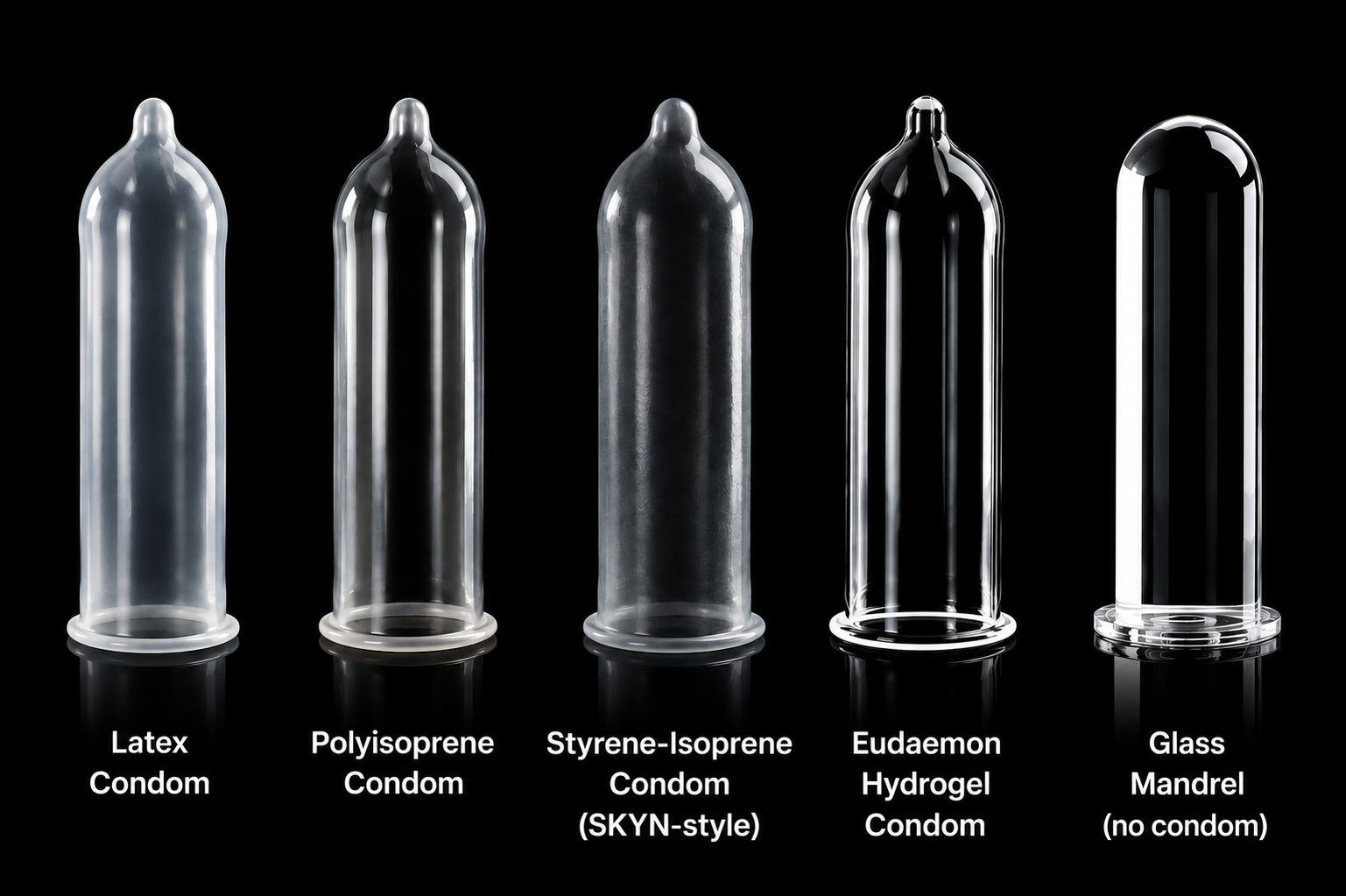
The Future of Condoms: Hydrogel Technology & Australian Innovation
Posted by Danny Achurch on Aug 12, 2026
The Race to Reinvent the Condom: How Australian Innovation Could Shape the Future of Safe Sex
For more than 50 years, the modern latex condom has remained one of the world's most effective forms of protection against sexually transmitted infections (STIs) and unintended pregnancies. While manufacturing techniques have steadily improved, the basic material and design have changed surprisingly little.
Now, researchers are working to change that.
A new generation of condoms made from advanced hydrogel materials is being developed with the goal of creating a product that feels more natural, transfers body heat more effectively and offers greater comfort - without compromising safety or reliability.
If successful, it could represent one of the biggest advancements in condom technology in decades.
Why Did the Gates Foundation Invest in Condom Innovation?
In 2014, the Bill & Melinda Gates Foundation launched a global challenge to encourage the development of the "next generation" of condoms.
The foundation recognised that while standard ultra-thin condoms are highly effective when used correctly, many people avoid using them because they believe they reduce sensation or interrupt intimacy. The challenge was to inspire researchers and innovators to rethink a product that had changed very little over the previous half-century.
More than 1,500 universities, research institutions and companies from around the world submitted proposals. Only a small number of projects received funding to explore innovative ideas that could improve comfort while maintaining the protection condoms provide.
One of those successful projects came from Australia.
Australian Researchers Are Leading the Way
An Australian research team at Eudaemon Tech has spent more than a decade developing an innovative hydrogel-based condom designed to feel more like human skin than traditional latex.
The technology has since evolved into a commercial venture focused on bringing the product through clinical testing, manufacturing and regulatory approval.
Their ambition isn't simply to create another premium condom like Ansell Lifestyles SKYN - it's to rethink the material itself.
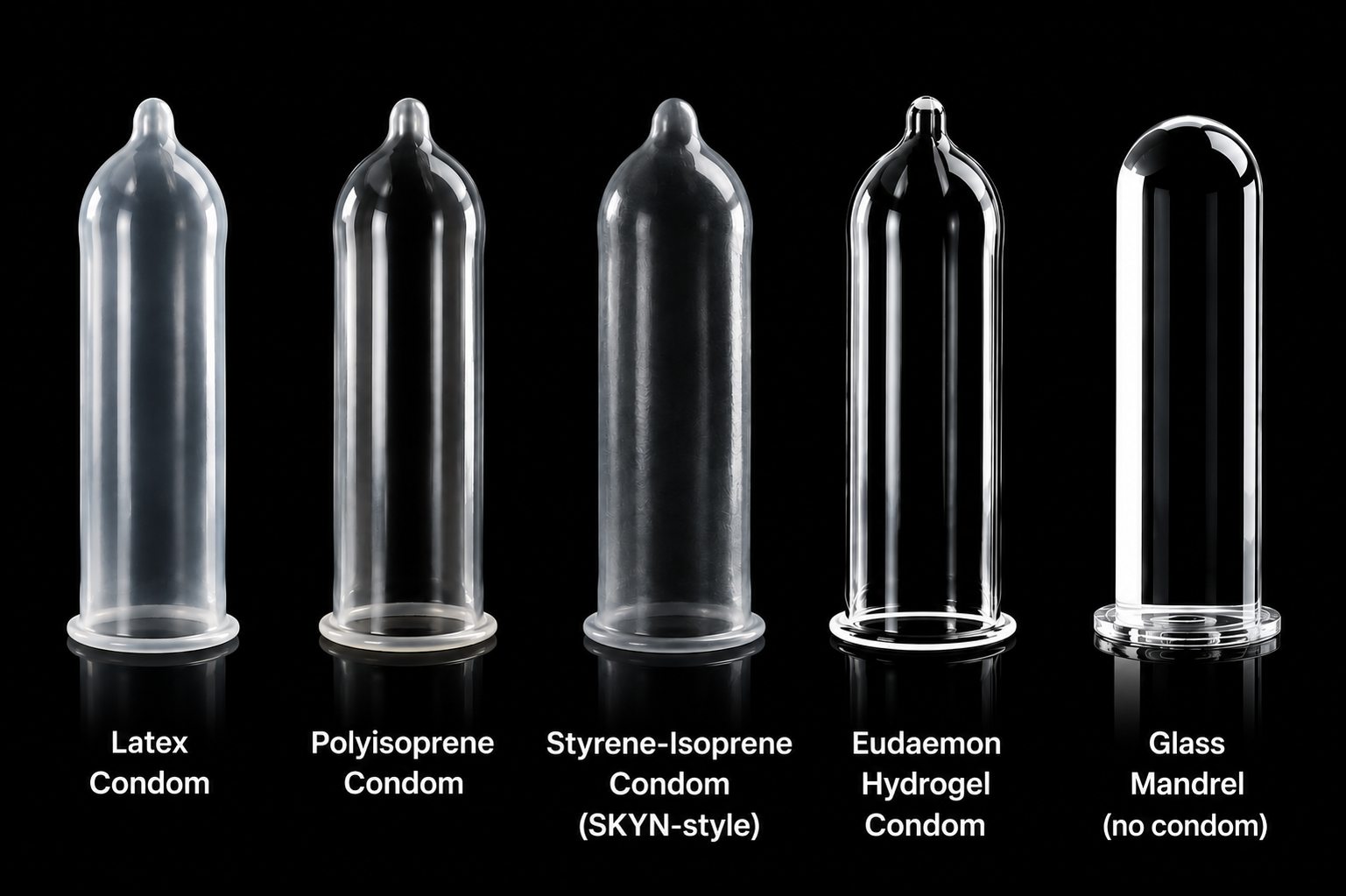
What Is Hydrogel?
Hydrogels are soft, flexible materials that contain a high percentage of water.
They're already widely used in medical applications, particularly in soft contact lenses, because they're comfortable, breathable and gentle on the body.
Researchers believe similar technology could be used to create condoms that feel softer, more natural and less noticeable during use while still delivering the strength and protection users expect.
Developing such a material, however, is anything but simple.
It must be incredibly thin while remaining exceptionally strong, highly elastic and capable of meeting strict international medical device standards.
Why Haven't Latex Condoms Changed Much?
Both male and female condoms have been the gold standard for decades for one simple reason - they work.
Natural latex is remarkably strong, flexible and affordable to manufacture. It has helped protect millions of people worldwide and remains one of the most reliable barrier methods available.
Because it performs so well, there has been relatively little incentive for major manufacturers to completely reinvent it.
That's why genuinely new condom materials are so rare.
Early Clinical Condom Trials Show Promise
Developers of hydrogel condoms have already conducted early clinical studies comparing the new material with conventional latex condoms.
Participants evaluated factors including:
- Comfort
- Softness
- Heat transfer
- Lubrication
- Sensitivity
- Overall user experience
Early findings have been encouraging, with many participants reporting a preference for the hydrogel material over traditional latex.
However, larger clinical studies and regulatory approvals are still required before the technology becomes commercially available.
As with all medical devices, safety, effectiveness and quality must be thoroughly demonstrated before any new product reaches consumers.
Why Innovation Matters
Condoms remain one of the simplest, most affordable and most effective ways to reduce the transmission of many sexually transmitted infections while also helping prevent unintended pregnancies.
Even modest improvements in comfort and user experience could encourage more consistent use, potentially delivering significant public health benefits around the world.
This is one of the reasons organisations such as the Gates Foundation continue to support research into new condom technologies.
Could Hydrogel Replace Latex?
It's too early to know whether hydrogel condoms will eventually replace latex.
A useful comparison can be found in contact lenses.
Years ago, many people wore rigid contact lenses that required frequent lubrication and adjustment. Today, soft hydrogel contact lenses dominate the market because they provide greater comfort while maintaining excellent performance.
Researchers hope condom technology may eventually follow a similar path.
Whether hydrogel becomes the new standard or simply another premium option, continued innovation gives consumers more choice and encourages improvements across the industry.
What This Means for Australian Condom Consumers
Although hydrogel condoms are still progressing through clinical trials and regulatory pathways, the research demonstrates that condom innovation is far from over.
Today's consumers already benefit from advances in manufacturing, quality control, lubrication, sizing and ultra-thin latex technology. Future materials may simply represent the next step in that evolution.
As always, choosing a genuine, well-fitting condom from a trusted supplier remains the most important factor in ensuring comfort, confidence and reliable protection.
Final Thoughts
The modern condom has protected generations of people, yet researchers continue to search for ways to make it even better.
Supported by initiatives such as the Gates Foundation's innovation challenge, scientists and engineers are exploring materials that could make condoms feel more natural while maintaining the safety standards people rely on.
Whether hydrogel ultimately becomes the future of condoms remains to be seen, but one thing is certain: innovation in sexual health continues to move forward - and that's good news for everyone.